
Home maintenance · 6 min read ·
A home maintenance schedule for Australian homeowners
By Home Logbook
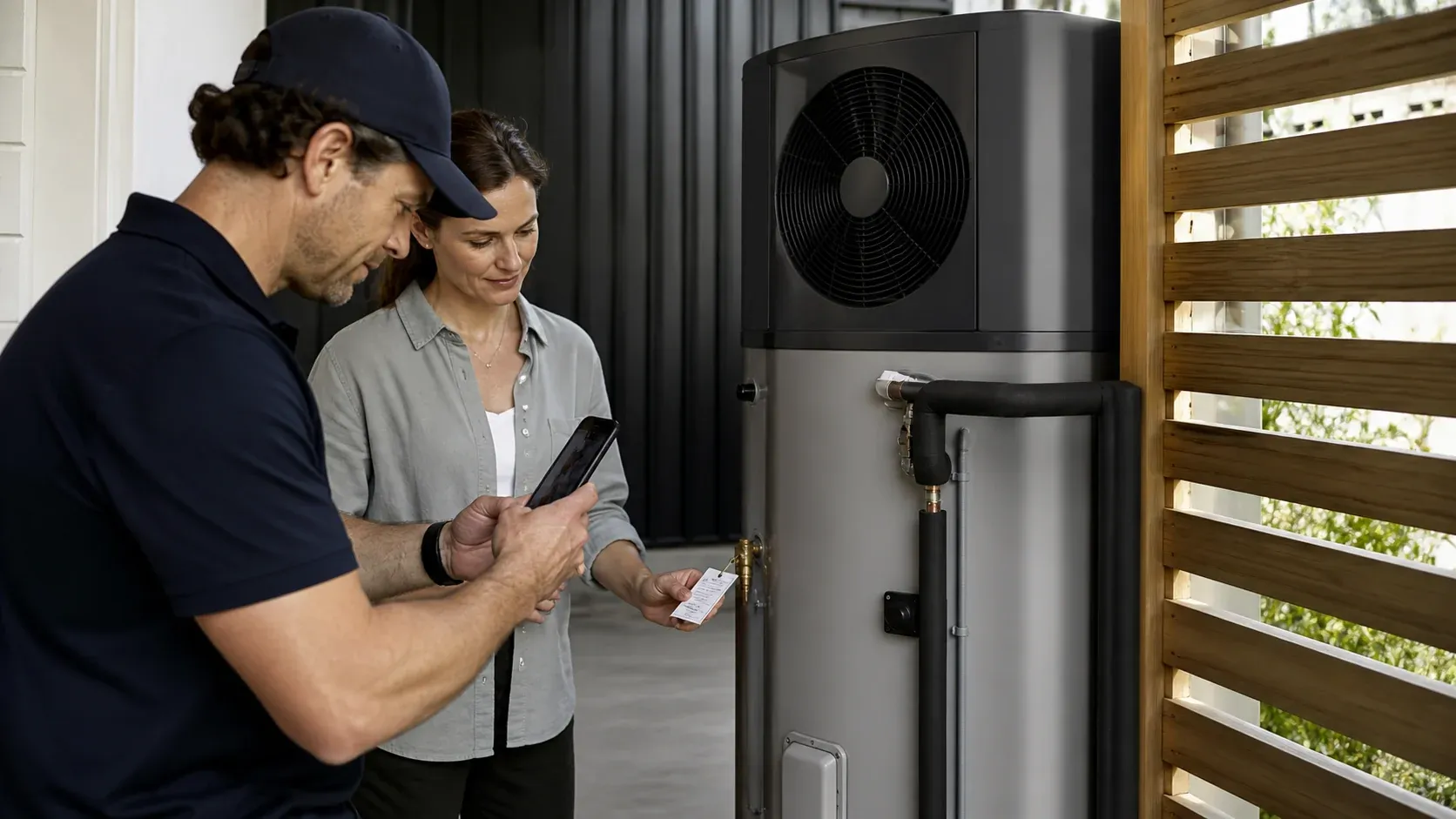
Illustrative image created for Home Logbook, not a photograph of a customer's property.
A useful home maintenance schedule records what needs checking, who is responsible, when it is due and where the instructions are kept. Start with the systems your home actually has. Then use manufacturer instructions, local conditions and qualified advice to set the intervals. A generic calendar is a starting point, not a substitute for those instructions.
The important distinction is between a check and a repair. Noticing a stain from inside the house is a check. Finding its cause or working on the roof may require a qualified trade. Your calendar should help you arrange the right work, not encourage you to attempt everything yourself.
What should a home maintenance schedule include?
Use these fields for each item. You can copy them into a spreadsheet, calendar or digital home logbook.
- System or location: for example, upstairs bathroom or hot-water unit.
- Task: describe one observable check or service, rather than “maintain house”.
- Due date or interval: include the source of that interval.
- Responsible person: homeowner, strata manager, installer or specialist.
- Instructions: link the manual or service recommendation.
- Last completed date: distinguish completed work from a booking.
- Evidence: attach the invoice, report or dated photo.
- Follow-up: note defects separately from routine servicing.
The Australian Government’s YourHome maintenance guidance recommends developing an annual schedule and prioritising urgent issues. The workflow below is a practical way to turn that idea into a usable record.
A manageable monthly review
Set aside a short admin appointment, then walk through the home from safe, accessible positions. Review overdue tasks, check whether booked work happened and look for changes such as new moisture marks, sticking doors or unusual equipment noise. Record the location and date rather than guessing the diagnosis.
For smoke alarms, follow the alarm instructions and your local fire authority. Fire and Rescue NSW recommends monthly testing. Do not treat a reminder as evidence that the alarm is working. Record the test result and arrange appropriate help when something is wrong.
Keep bills and policy renewals in the same calendar if convenient, but label them as admin or renewal tasks. Paying a premium is not building maintenance. That distinction makes the list easier to understand.
Before your local wet or storm season
Check the records for gutter cleaning, drainage issues and previous leaks. From ground level, note overflowing gutters or visible damage that needs professional attention. Arrange work before severe weather, not while it is occurring.
The NSW SES home preparation guide covers gutters, drains and other storm preparation. Adapt the timing to your location. A tropical wet season and a southern winter do not call for an identical calendar. Avoid roof access, electrical work or contact with floodwater as DIY checklist items.
Before heavy heating or cooling use
Find the manual for your specific unit and check its service history. Record the filter model, installer and any access instructions. Follow the manufacturer’s cleaning guidance and book a qualified technician for work beyond the owner-maintenance instructions.
Do the same for hot water, ventilation, pumps and other installed systems. “Service annually” is not a safe universal rule for every device. If the interval is unknown, make the first task “confirm service requirements with installer”.
A worked example: one air conditioner
Imagine the living-room unit has a readable model label but no service record. Create a record with that model and the location. Add a task to obtain the manual and ask the installer about servicing. When advice arrives, attach it and set the next due date from that advice.
After a service, save the invoice against the unit and close the appointment task. If the technician recommends a repair, create a separate follow-up with its own scope. This preserves the difference between work completed and work still needed.
How do you avoid an overwhelming task list?
Separate urgent faults, scheduled servicing and optional improvements. An active leak should not compete visually with a future paint refresh. Give every task a clear next action and remove duplicate reminders only after confirming they refer to the same job.
Home Logbook can keep the source documents and related home records together. After uploading or forwarding a service document, review its extracted details and any suggested filing. Check dates against the original before relying on reminders. The home documents checklist helps identify which evidence to retain.
Common questions
Should maintenance be monthly, seasonal or annual?
Usually a mixture. Use a monthly review to manage the list, local seasonal conditions to plan weather-related work and the equipment instructions for servicing intervals.
Can a maintenance checklist prevent every problem?
No. It can make issues and overdue work easier to notice, but it is not an inspection or a guarantee. Contact a qualified professional about defects, unsafe conditions or work outside your competence.
What should I set up first?
Start with one safety-related item, one major system and one known outstanding issue. A small accurate record is more useful than a large list of unverified dates. Explore Home Logbook when you are ready to connect documents with the home they describe.
General information only. Local requirements and maintenance instructions differ. Follow current authority guidance and qualified advice for your property.