
See the snapshot
Review five useful facts without creating an account.

Start with a property snapshot. When a home becomes a serious option, open the full report for its value range, sales history, natural hazards, planning, zoning, schools and suburb market data.
The property snapshot is free and takes a few seconds. No signup.
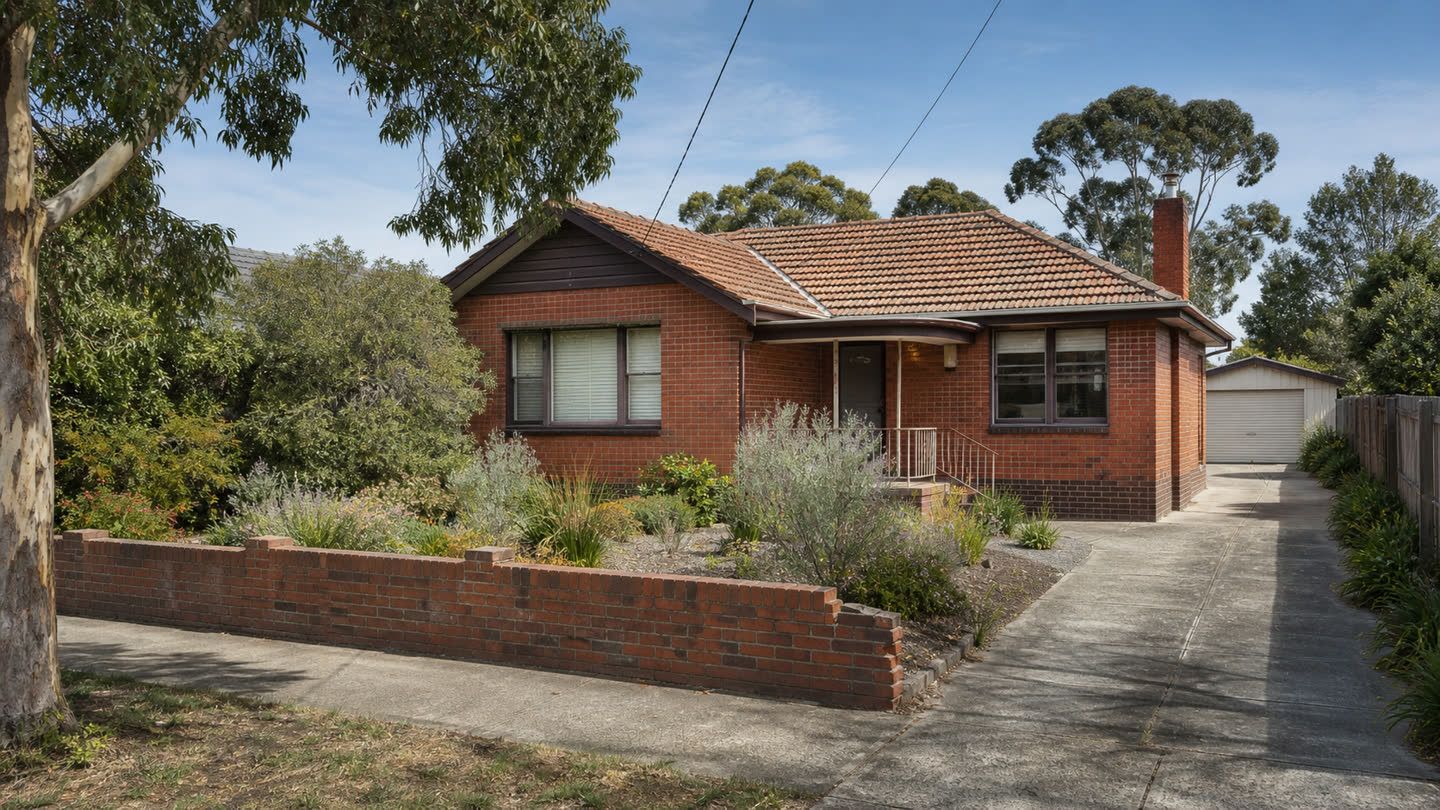
Use one structured record to separate what you can see from what needs data, history or mapping.
| What you may already know | What the report adds | The question it helps you ask |
|---|---|---|
| The price guide | Estimated range, confidence, recorded sales and suburb context | What evidence sits behind the asking price? |
| Advertised details | Recorded property facts, with gaps left visible | What should be confirmed at the inspection? |
| The council area | Planning and zoning in plain English | Which planning rules may matter here? |
| The street and block | Bushfire, flood and other available mapped findings | What was assessed, and what is not yet mapped? |
| “Close to schools” | Nearby schools and suburb-level context | Which location claims can be checked? |
Home Logbook organises recorded property data. Confirm anything material with the relevant authority or adviser.
The level of information should follow the level of intent.
Review five useful facts without creating an account.
Bring more than 40 property data points into one point-in-time record for $29.99.
The report can seed the home’s logbook if the property becomes yours.
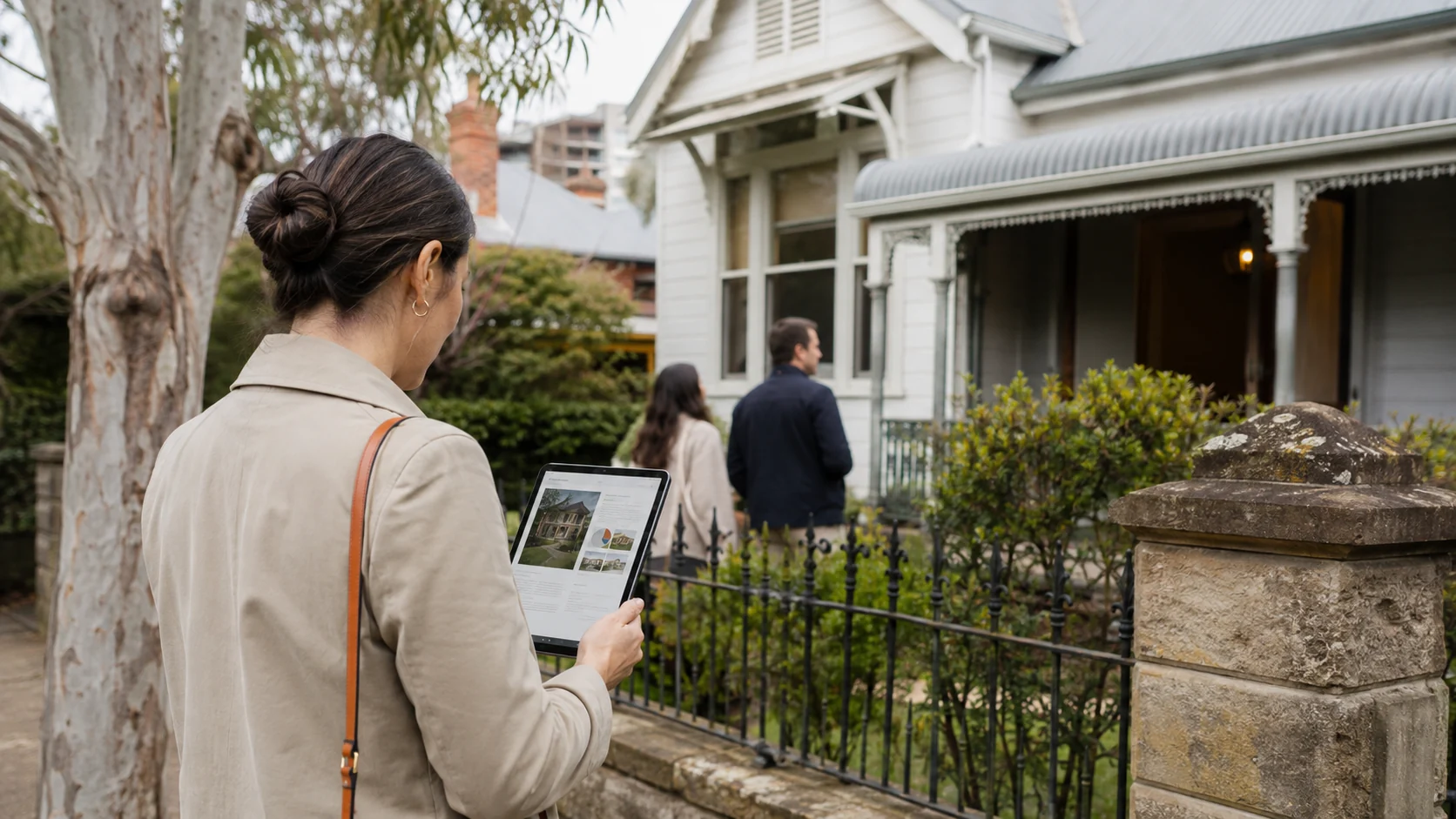
The report cannot inspect the building for you. It can put recorded planning, hazard, sales and area context in your hands before you walk through the door.
Value, property context and data limits sit together, so known facts and next questions never drift apart.
See the estimate range, confidence, recorded sales and suburb market context together. Treat the estimate as a starting point for questions, not an offer number.
$825k–$910k
Data sourced from HtAG Analytics · Incorporates Geoscape G-NAF and ABS data (© Commonwealth of Australia, CC BY 4.0).
An estimate is not a valuation. It is a computer-generated price range based on comparable sales and market data — not a professional valuation, and not a guarantee of what this property would sell for.
Review recorded property details, planning context and zoning in plain English. Confirm anything material with the relevant council or adviser.
Every result says whether exposure was found, the property was assessed as clear, or mapping is not yet available.
Review nearby schools and suburb market context without turning either into a promise about enrolment, future prices or one property’s outcome.
It does not inspect the building, read the contract or decide what the home is worth to you.
Read the history, planning and hazard findings. Note anything missing or unclear.
Ask about repairs, renovations, materials, approvals and recurring maintenance.
Use the report beside inspections, contract review, finance, insurance and professional advice.
A Home Logbook report does not replace an independent inspection, contract review, statutory searches or professional advice.
Choose a point-in-time buyer file or the ongoing record if the property is becoming yours.
If you do not continue after the trial, your record remains available to read. Editing and ongoing tracking require Pro.
Check the property in seconds. Go further only when it earns a place on the shortlist.