
Home maintenance · 5 min read ·
How to keep a paint colour and home finishes register
By Home Logbook
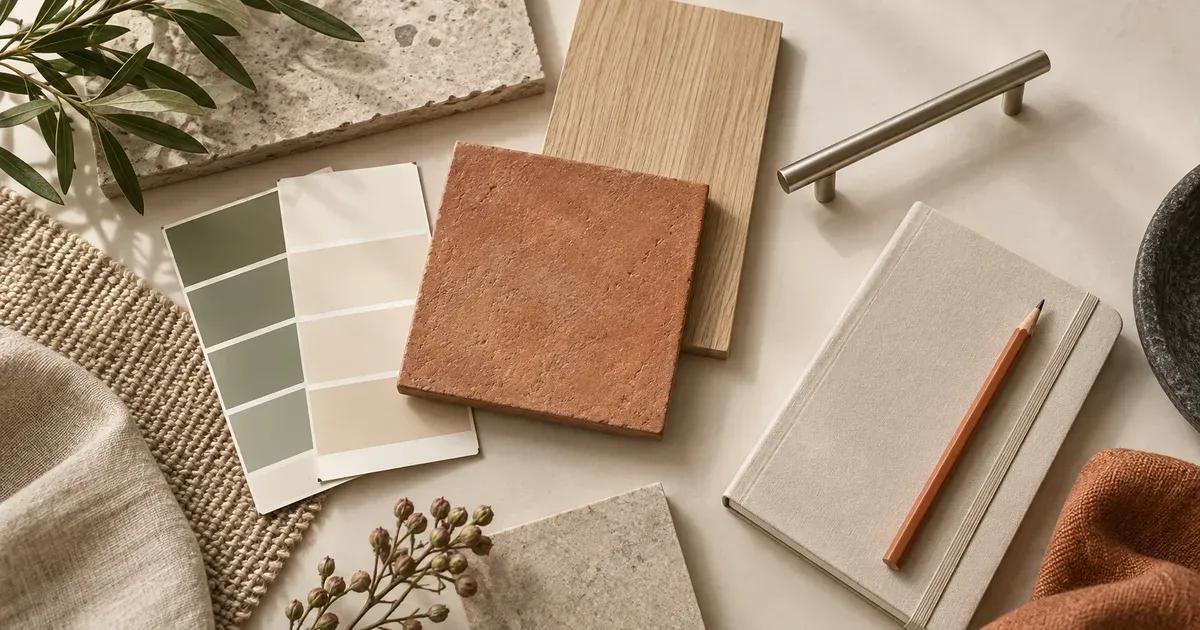
Illustrative image created for Home Logbook, not a photograph of a customer's property.
A home finishes register records exactly what was used in each room: paint brand, colour, product and sheen, plus flooring, tiles, cabinetry and hardware. Keep photographs of labels and invoices alongside the record. A photo of a wall is useful context, but it is not a reliable substitute for a paint specification.
The best time to make the register is when work finishes. The second-best time is before the next scratch, replacement handle or water-damaged floorboard leaves you trying to remember what you bought.
Start with the question a future repair will ask
“What white is this?” usually needs more than a colour name. Was it the wall or the trim? Which product was tinted? What sheen was used? Did the painter change products halfway through the project?
Give each surface its own entry. “Bedroom two, north wall” is more useful than “upstairs paint”. Separate ceilings, walls, doors and skirting even when they look similar.
Dulux explains sheen as a separate paint selection. Your record should do the same. Do not assume a familiar colour name identifies the complete product.
Copy this paint record template
- Location: room, surface and any feature wall.
- Brand and product range: copy the container label.
- Colour name and code: include the tint label if available.
- Sheen: the finish stated on the product, not a guess from a photograph.
- Batch or other container identifiers: photograph rather than transcribe if unclear.
- Date applied and painter or supplier.
- Preparation and primer details, if supplied by the painter.
- Evidence: invoice, specification, label photos and a room photo.
- Leftover paint: whether it exists and where it is stored safely according to the label.
- Confidence: confirmed from a label, supplied by a contractor, or not yet confirmed.
For example, a hypothetical entry could say “Study walls, product and colour confirmed by invoice, sheen awaiting painter confirmation”. That is better than filling the missing field with a plausible answer.
Record tiles, flooring and hardware too
A finish is not just a paint colour. A discontinued tile or a cabinet handle with the wrong fixing centres can be equally frustrating.
For tiles, keep the supplier, range, size, finish, product code and any batch information. Add grout details if known. For flooring, record the product, finish, installer and care guide. For cabinetry, keep the board or finish name and supplier specification. For hardware, record the model and relevant dimensions from its documentation.
Keep a note of spare stock without assuming it will match perfectly after years of wear. If a replacement requires a professional assessment, the register should help that conversation rather than promise a match.
Use photos as evidence, not colour measurements
Take one wider room photograph to show where the finish belongs, then close-ups of product labels and identifiable details. Keep the original files where possible. A screenshot of an online colour swatch is weaker evidence than the actual product label.
Lighting, screens and the surface itself can change how a colour appears. Dulux's colour accuracy guidance is a useful reminder to confirm colour using suitable physical samples rather than relying on a display.
AI can help describe a room as having light neutral walls or timber-look flooring. Treat that as a starting point for review, not proof of a brand, colour code, species or installation method.
Before touching up, check the original record
Retrieve the specification and ask the supplier or painter what is appropriate for the existing surface. The same named colour does not guarantee an invisible repair. Dulux Trade notes that touch-ups can be affected by application and paint differences.
This guide is about keeping records, not prescribing surface preparation. Older or unknown coatings may require specialist advice before disturbance. Store and handle materials according to their labels.
Keep old finishes in the history
When a room is repainted, mark the previous entry as replaced instead of silently changing it. Add the new date, specification and evidence. That leaves a useful explanation of which finish appears in older photos and invoices.
In a digital logbook, keep the original invoice in Documents and connect the confirmed specification to the relevant room or home detail. A task such as “ask painter for colour code” belongs with reminders. These are related records, not three competing copies of the same document.
See our home document checklist for the wider filing system, or explore Home Logbook to bring your home's records together.
Common questions
Can I identify an exact paint colour from a photo?
Not reliably. Use the photo to locate the surface and describe its appearance, then seek a label, specification or appropriate physical matching process.
What if the previous owner did not leave any records?
Start with what you can verify. Label uncertain entries clearly and ask previous contractors or suppliers where practical. Do not turn an approximate description into a confirmed specification.
Should I keep the old paint details after renovating?
Yes, as historical records. Make the current finish obvious and date the change so future repairs do not use a superseded specification.
General information only. Confirm product suitability and safe work methods with the manufacturer or an appropriately qualified professional.